ServicesWater Testing
Water Testing in West University Place
Find out what is actually in your water first, then decide on equipment. We test at the tap, explain each result in plain words and tell you whether you need a repair, a new filter, a full system or nothing at all.
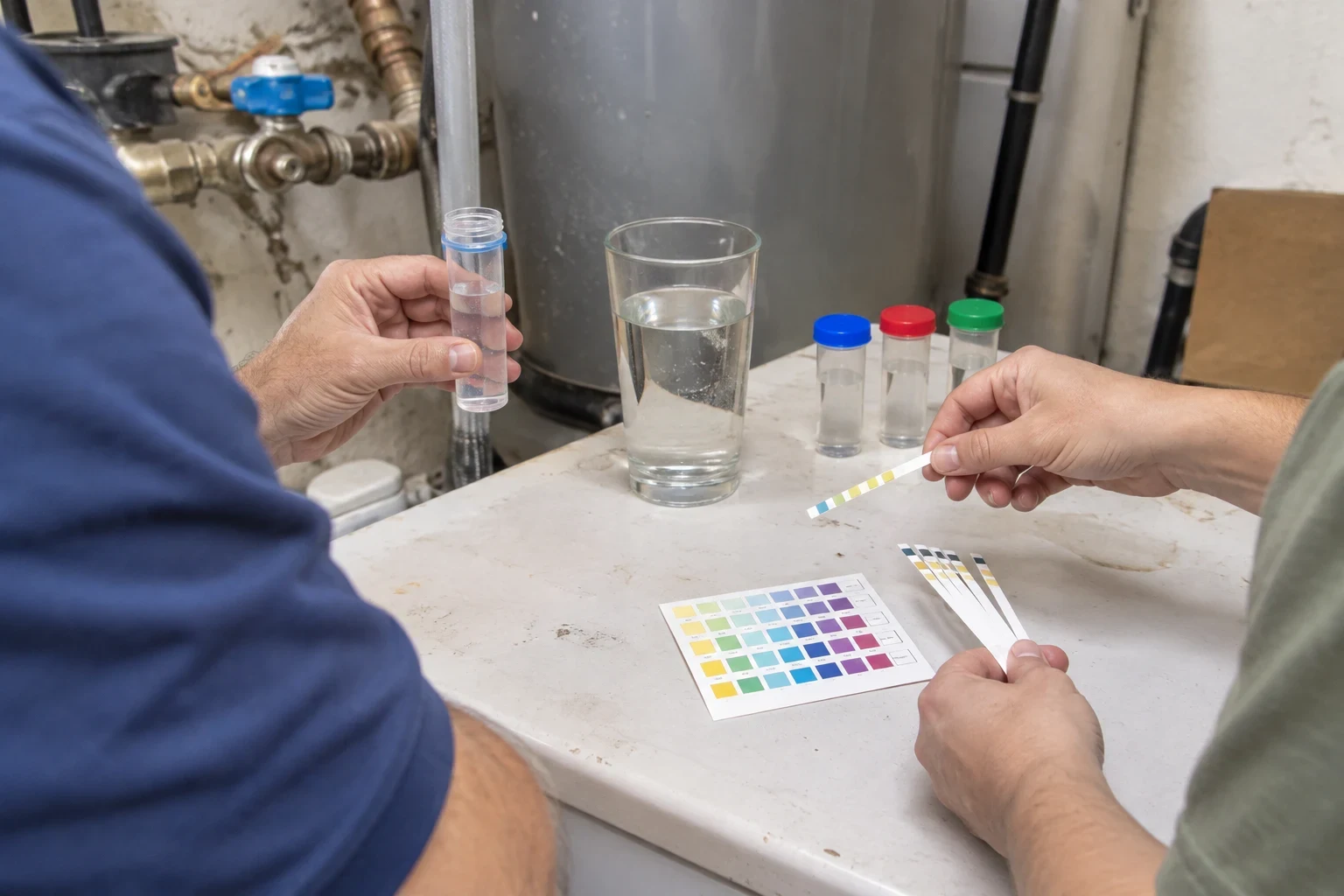
What a Water Test Tells You
A water test answers one question: what is coming out of your faucets right now. City water has to meet drinking water rules when it leaves the plant. What reaches your glass can still change on the way, through old pipes, a tired water heater or a filter that stopped working a year ago.
We check the things that cause the most common complaints. That means hardness, chlorine, iron, pH and total dissolved solids. If you are on a private well or worried about lead from older plumbing, we can send a sample to a lab for the tests that need one.
Testing is also how we keep you from spending money you don't need to. If you already have a softener or filter, the numbers show whether it just needs a new cartridge, a valve fix or a reset. We only talk about replacing it when the test and the equipment both say it is done.
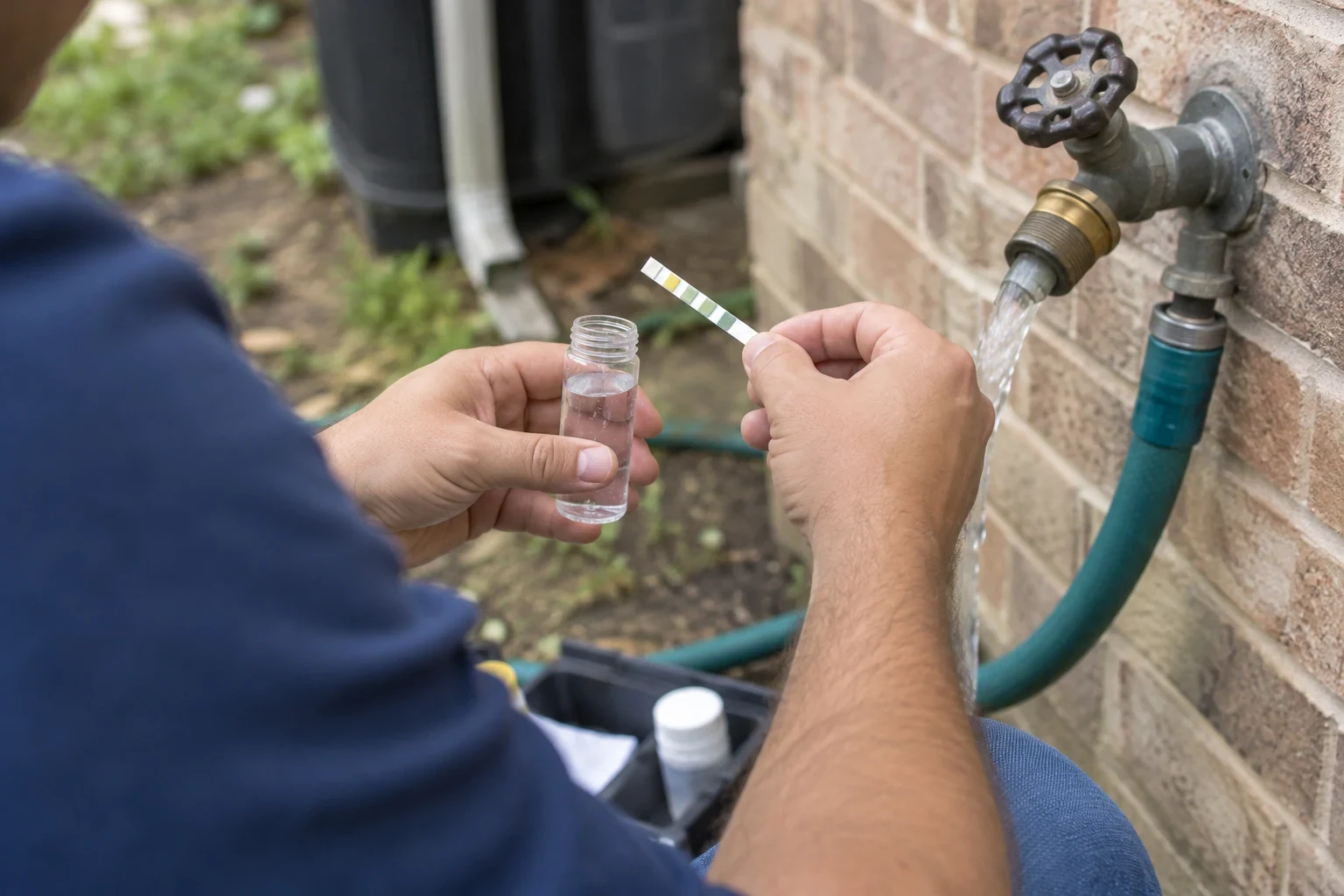
What Our Water Testing Includes
- 01
In-home tap test
We test water from your kitchen faucet and, when it helps, a second tap or the line feeding your equipment. You see the readings as we take them.
- 02
Hardness and scale check
We measure hardness so you know if a softener makes sense. Plenty of homes don't need one, and we will say so.
- 03
Chlorine, iron and pH
These explain most taste, smell and staining problems. Knowing which one is behind yours points to the right fix.
- 04
Lab testing when needed
Lead, bacteria and some other contaminants can't be read reliably with a quick kit. For those, we collect a proper sample and send it out.
- 05
Check on your existing system
If you have a filter, softener or reverse osmosis unit, we test the water going in and the water coming out. That shows whether it is doing its job or needs repair.
- 06
Plain-language results
You get the numbers written down with what each one means. No charts you need a chemistry degree to read.
Questions about Water Testing?
Call(713) 528-8226When a Water Test Makes Sense
Bleach smell at the faucet
If the tap or shower smells like a swimming pool, disinfectant is the likely cause. Testing measures the level and tells us whether a carbon filter would make a real difference.
Chalky buildup on fixtures
Crusty white spots on faucets, shower doors and dishwasher racks come from minerals. A hardness number shows whether it is a minor nuisance or worth treating.
Orange or brown stains
Rings in the toilet or sink usually mean iron. Sometimes it is in the supply, and sometimes it comes from your own pipes. Testing helps tell the two apart.
Original pipes or old solder
Older plumbing can add metals to the water on its way to the glass. With young children at home, a lead test is a reasonable precaution.
Treated water tastes untreated again
When filtered or softened water starts tasting the way it did when you had no equipment at all, something has slipped. A test points to either a worn part or a unit that is finished.
A private well
Nobody checks a well except the owner. Regular testing is the only way to confirm the water is still safe to drink.
How a Water Test Works
- 1
We talk by phone
You tell us what you are noticing and what equipment you already have. We decide together which tests make sense so you don't pay for ones you don't need.
- 2
We come to your home
We run water at the right taps and take readings on the spot. If you have a system, we test the water on both sides of it.
- 3
Lab samples go out if needed
For lead, bacteria or well water questions, we bottle a sample the right way and send it to a lab. We go over those results with you once they are back.
- 4
We walk you through the results
We explain each number and what it means for your home. Then we give you an honest answer: leave it alone, repair what you have or look at a new system.
What Affects the Cost of Water Testing
The price depends on what you need to know. A quick check for hardness and chlorine is a different job from a full lab panel on well water. We go over the cost with you on the phone ahead of the visit, so there are no surprises.
- Number of things tested
- A basic in-home panel covers the common complaints. Adding metals, bacteria or other specific contaminants adds to the cost.
- In-home versus lab work
- Readings we take on site cost less than samples that go to an outside lab. Some questions, like lead, really need the lab.
- City water or well
- Well water usually needs a wider set of tests, including bacteria. City water often needs fewer.
- Testing an existing system
- Checking water on the inlet side and the outlet side of your equipment takes extra readings. It is often worth it, since it can save you from replacing a system that only needs a repair.
Water Testing Questions
The city says its water is safe. What would a test add?
City testing happens at its own facilities, not at your kitchen sink. Between there and your glass, the water runs through your pipes, your water heater and any equipment you have. A test shows what your home is actually getting, not a citywide average.
Will you use the results to push a new system on me?
No. A lot of our visits end with good numbers and us heading out with nothing to sell. When a result does call for action, we show you the options and start with the smallest fix that solves it.
Can you tell me if my softener is still doing its job?
Yes. We take one reading on the water feeding the softener and another on the water leaving it. If hardness is slipping through, the cause is often a setting, a valve or worn resin, and a lot of those can be repaired. A new unit only comes up when the old one can't be brought back.
How often should I test well water?
Once a year is a sensible routine. Test again after a flood, after any work on the well, or if the water starts to taste, smell or look different.
Do you test for lead?
We do. A quick kit isn't reliable for lead, so we collect a proper sample and send it to a lab. If lead turns up, a reverse osmosis unit under the kitchen sink is a common way to protect your drinking and cooking water.
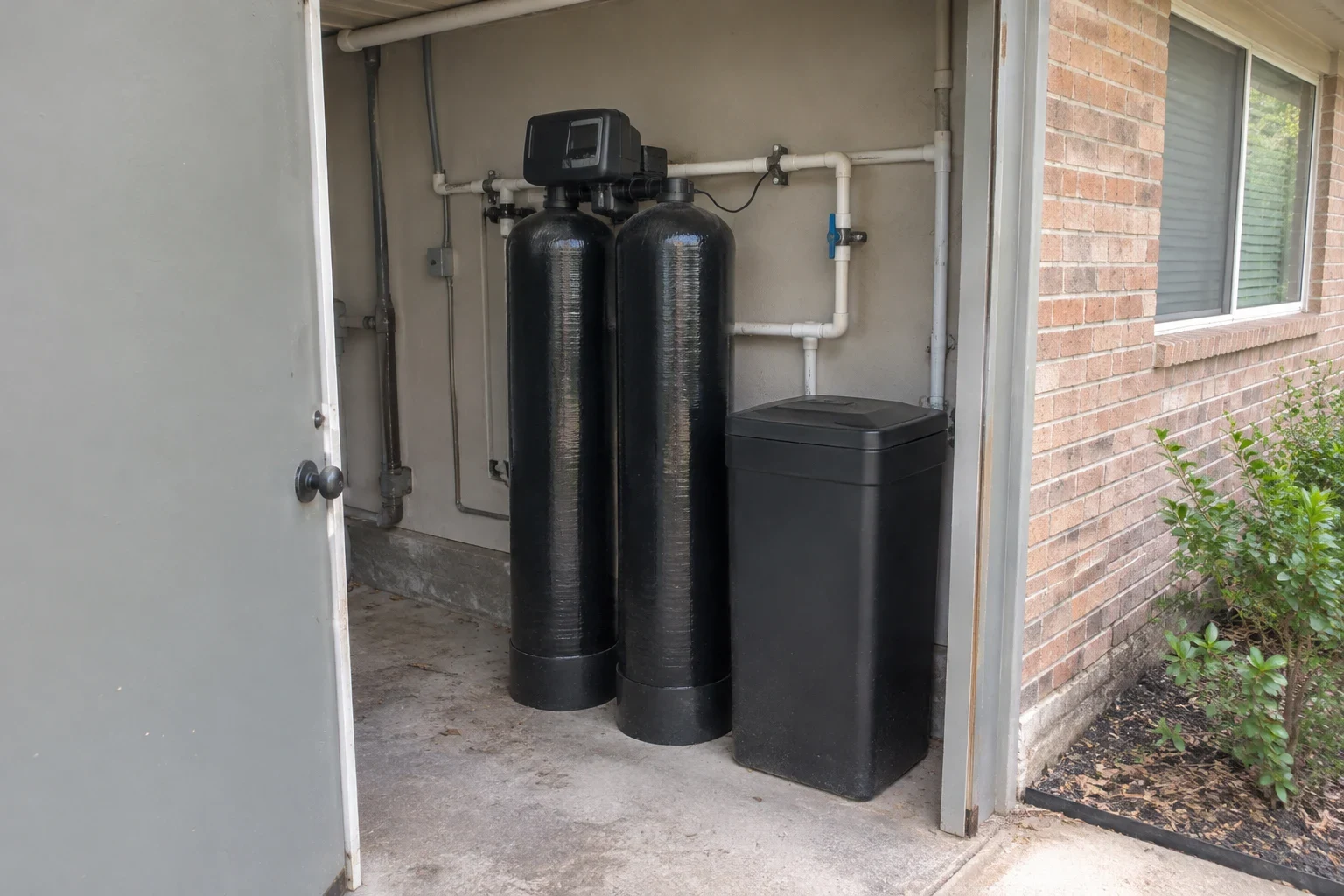
Get Real Numbers on Your Water
Give us a call and describe what you are seeing, smelling or tasting. We will pick the tests that fit. You get the results in plain words and an honest take on what to do next, if anything.